Plain answers
Questions
These are the questions we hear most in the first month. The answers are the same ones we give in the room. If your situation is more specific — a surgeon’s letter, a ferry week, a shoulder that still wakes you at 3 a.m. — write to us and we will answer that version.
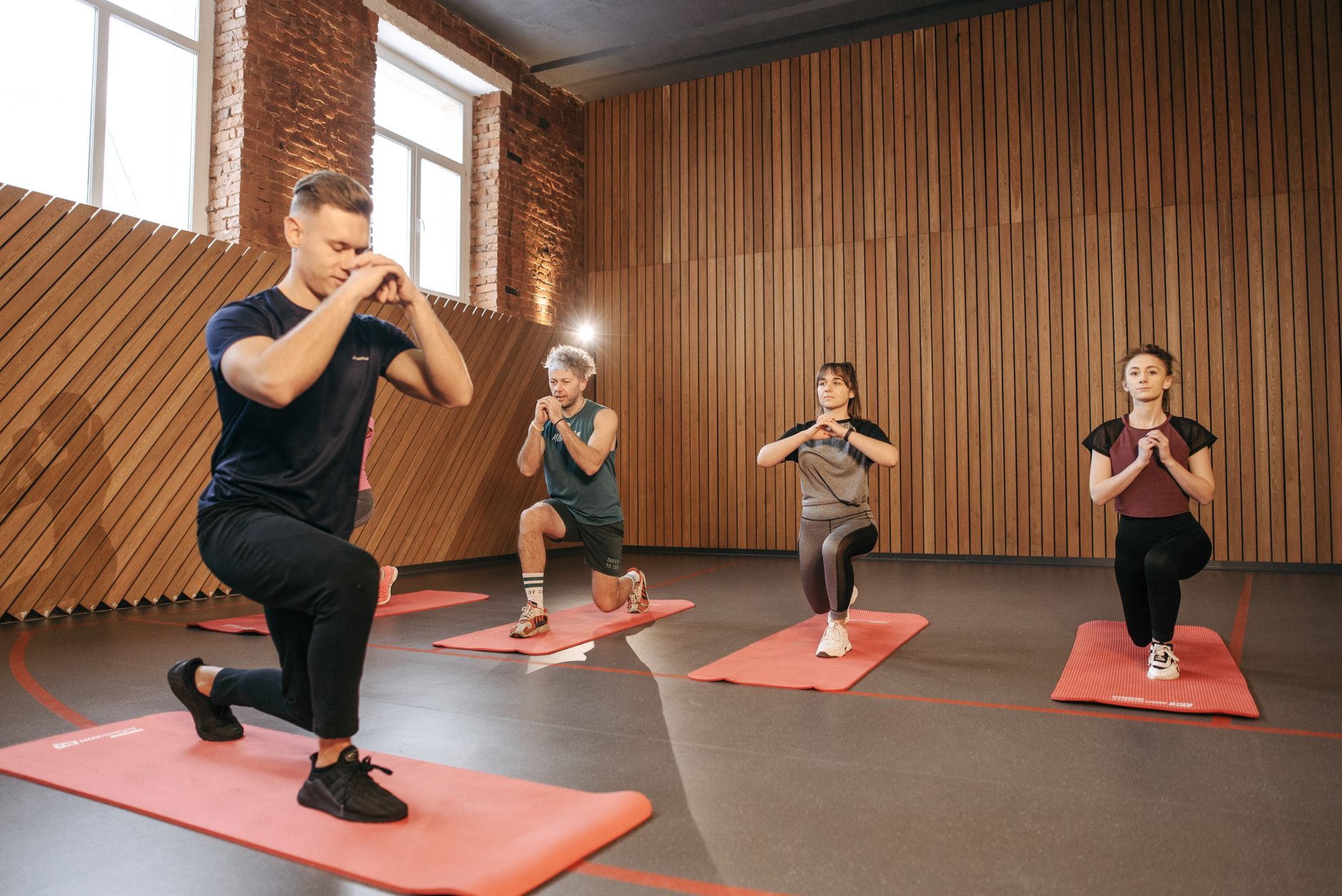
I have never lifted a barbell. Can I still start here?
Yes. Most people who walk up the stairs on Fort Street have not spent years under a bar. The intake is built for that. We start with how you pick a bag off the floor, how a goblet squat feels, and whether a trap-bar deadlift is a kinder first pull than a conventional one. You will have numbers on a card by the end of the first hour. You will not be asked to keep up with anyone else’s load. The six-person cap exists so a first session and a fifth year of training can share a room without anyone being left to copy the person on the next platform.
I am over sixty, or I have osteoporosis. Is this a safe place to train?
Plenty of people over sixty train here, including people who arrived with a bone-density letter in their bag. We do not bounce, twist under load, or treat impact as a personality trait. We bias toward slow eccentrics, supported hinges, and carries you can set down the moment something feels off. If your physician or physiotherapist has given range limits, we write those on the card in the first session and we keep them. Strength work is one of the few things that reliably helps bone, sleep, and the confidence to take the stairs. We treat the work as careful.
I have hypermobility or Ehlers–Danlos. How do you handle that?
We treat extra range as something to organize. End ranges stay unloaded until a position is quiet. We use tempo, shorter ranges, and carries that ask the ribcage to stay stacked. If you already have a physiotherapist who understands EDS, we would like their notes on the first day. You set the stop point. A session should leave you tired in the muscles you meant to use. We will write that stop point on the card so it does not depend on who is coaching that morning.
What if I can only come once a week?
Once a week is enough to hold a pattern if the session is honest and the homework is small. We will write two or three home movements that fit a kitchen or a hotel room: a carry with grocery bags, a wall sit while the kettle boils, a hip hinge with no weight at all. People who ride the ferry to the Mainland often train Saturday at 8:30 and do the homework in a hotel gym. We would rather see you fifty times in a year than lose you because a three-day plan did not fit your life.
Do I need special shoes or gear?
Indoor shoes with a stable sole are enough. A flat trainer or a light lifting shoe is usually better than a thick runner. You do not need a belt, knee sleeves, straps, or your own chalk on day one. Wear clothes you can hinge in. Bring a water bottle. If you already own a belt and like it for heavier pulls, we can talk about when it helps and when it hides a pattern. Towels are here. Lockers are small; leave the large backpack at home if you can.
How heavy will the lifting get?
As heavy as the bar path stays clean and the week around the session still works. For most people that is a working set in the three-to-six range on a squat or hinge, with enough left that you could do another set if we asked. We are not hunting a one-rep maximum in a 50-minute class. If you want a heavier single, we write it into a one-to-one so the rest of the room does not wait. The useful test is whether you can carry groceries up the stairs the next morning and sleep that night.
I am pregnant or recently postpartum. Can I train?
Often yes, with a note from your physician or midwife and an intake that treats pelvic floor, wrist, and abdominal wall as part of the same card. We do not add impact, we do not hold our breath on heavy stands, and we watch for coning or leaking as a reason to change the plan that day. Postpartum we usually start one-to-one. A minimum of six sessions is what we recommend before a group. If you already have a pelvic-floor physiotherapist, we will work from their limits. Bring the baby to the landing if you need to; the room itself stays a training room.
How do booking and waitlists work?
The week opens ten days ahead. You book a slot in that window by email, text, or in person after a session. When a class is full we keep a text waitlist in the order people asked. The first person to reply gets the spot. Cancel with 24 hours’ notice and the session returns to your pack. Inside 24 hours the session is used, except the first late cancel in each quarter. If you are on a membership, the same 24-hour rule applies so the six-person cap stays honest.
What happens if I miss three weeks?
Write to us before the fourth week if you can. We will keep your card and, if you are on a membership, talk about a pause or a cancel. When you come back we do not restart from the last proud number. We use the first session as a short reassessment: same patterns, lighter loads, and a week of seeing how sleep and stairs have been. Three weeks off after a winter flu is common. Three weeks off with no note and a packed class list is how people lose a favourite slot, so a short message helps.
Is parking a nightmare on Fort Street?
It is busy between 10:00 and 16:00, and it is workable if you are not hunting a doorstep space. Paid street parking sits on Fort and the side streets; it is free after 18:00 and on Sundays. The lane behind the building has bike racks. The #14 stops within a block. If you drive in for the 17:30 class you will usually find a space once offices start emptying. Give yourself ten extra minutes the first time. We would rather you arrive calm than circle the block twice and walk in already late.
Still deciding
If you want us to look at a physio note or a week that only has Saturday mornings, send the details. We reply within one business day. The useful first step is still the intake: ninety minutes, a paper card, and a clear sense of whether the room fits.